Want non alcoholic cocktails that taste like real drinks, not juice? Build them like a cocktail: balance citrus, sweetness, bitterness and water, then add texture and a good glass. Here is how to do it at home.
For the wider local picture, read the guide to the portland maine cocktail scene.
| Item | Starting amount |
|---|---|
| Sweetener (simple syrup, honey, agave) | 0.5 ounces |
| Fresh citrus juice | 1 ounce |
| Seltzer or water | 2 to 3 ounces |
| Bitters | A dash |
| Water to stand in for the spirit when shaking a sour | 2 ounces |
These starting amounts come from a bartender roundup published by VinePair on February 11, 2020. Figures like these are a starting point, so check the source before you rely on them and adjust to your own taste.
Start with a formula, not a juice mix
The most common mistake is pouring together mixed juice and calling it a cocktail. Bartender Julie Reiner of Clover Club makes the point in Imbibe: pineapple, orange and cranberry with no citrus is just a mixed juice. Her fix is to treat the recipe like a traditional cocktail and think about balance and presentation.
A reliable starter recipe from a bar in the VinePair roundup, Vena’s Fizz House in Portland, ME, uses four parts:
- 0.5 ounces simple syrup or another sweetener, such as honey, agave, maple syrup or a homemade fruit syrup.
- 1 ounce fresh-squeezed citrus: lime, lemon, grapefruit or orange.
- 2 to 3 ounces seltzer or water.
- A dash of bitters.
Shake with ice, pour into a glass and garnish. From there you can branch out into different tonics, shrubs and bitters.
Another bartender in the same roundup, Lauren Sponberg, suggests adding 2 ounces of water in place of the spirit to help mouthfeel and texture. She also calls salt essential for balancing citrus and sweetness.
If you want to build from scratch, Reiner starts with a citrus base such as lime, lemon or grapefruit, then picks a complementary syrup. She uses a 1:1 ratio of simple syrup, citrus and water. If the result is too sugary, top it with club soda or tonic water.
How do you build depth without a base spirit?
Spirits bring bite and complexity, so a drink without them needs a substitute. Reiner says a bitter note tricks the mind into thinking there is alcohol in the drink, which is why she reaches for bitter lemon soda or quinine tonic. These are the tools bartenders in the sources keep returning to:
- Bitter sodas and tonic: Reiner’s Faux 75 swaps the French 75’s booze for bitter lemon soda, and a juniper syrup in tonic stands in for a gin and tonic.
- Tea: it brings flavors that juices and fruit cannot, from floral to smoky to spicy.
- Shrubs: syrups made with sugar and vinegar instead of water, which add a subtle acidity.
- Infused syrups: herbs, fruit or cucumber steeped into a 1:1 sugar and hot water base.
- Bubbles: club soda, seltzer or ginger ale add texture.
Tea syrup is easy to make. As Imbibe describes it, you brew a strong tea and add equal parts sugar, the same way you would make simple syrup. Shrubs are just as simple: bartender Greg Kong keeps switchel handy, which is essentially a ginger shrub made with ginger, apple cider vinegar, lemon and a sweetener, according to the James Beard Foundation.
Swap ideas for classic cocktail styles
A one-to-one swap rarely works, but the experts quoted by Tasting Table offer a clear starting point for each spirit family:
- Tequila drinks: orange, grapefruit and lime juice work in palomas and margaritas.
- Rum drinks: pineapple juice with a hint of molasses, vanilla and allspice imitates barrel-aged character. Spicy chai or vanilla rooibos can also stand in for rum.
- Whiskey drinks: cherry juice with a touch of balsamic vinegar can replace whiskey in a Manhattan, and a strong black tea or smoky lapsang souchong suits other whiskey cocktails.
- Gin drinks: delicate white tea or floral chamomile, plus juniper berries and orange bitters.
- Sparkling drinks: dealcoholized sparkling wine is recommended for a French 75 or a bubbly mimosa.
For tea, use a greater tea-to-water ratio than usual to get a more concentrated flavor. For a simple highball, one bartender quoted by the James Beard Foundation in February 2022 jazzes up tonic water with rosemary, olives and orange slices to make a mock gin and tonic.
In an Edible Michiana piece, bartender Mike Paczkowski tops drinks with 1 to 2 ounces of a fizzy ingredient as a place to start. His smoked-bitters drink uses sparkling grape juice for effervescence to balance the heat.
Zero-proof spirits, wines and bitters
Interest in this category is growing. According to NIQ data cited by Tasting Table, non-alcoholic beer, wine and spirits sales rose 27.2% year over year in 2024. That is why shelves now hold zero-proof spirits, sparkling wines and even vermouth.
Those experts offer two tips for using them. First, taste any bottle straight before mixing, but take a small sip rather than a shot, since these products are not meant to be consumed that way. Second, expect to add an extra dose of acidity or sugar, because booze-free recipes often need it.
Bitters deserve a label check. Traditionally their flavors are infused into a neutral spirit with 35% to 45% ABV, and most recipes call for only a few drops. Some brands now use non-alcoholic solvents like vegetable glycerin, so choose one of those if you avoid alcohol entirely.
Glass, garnish and texture
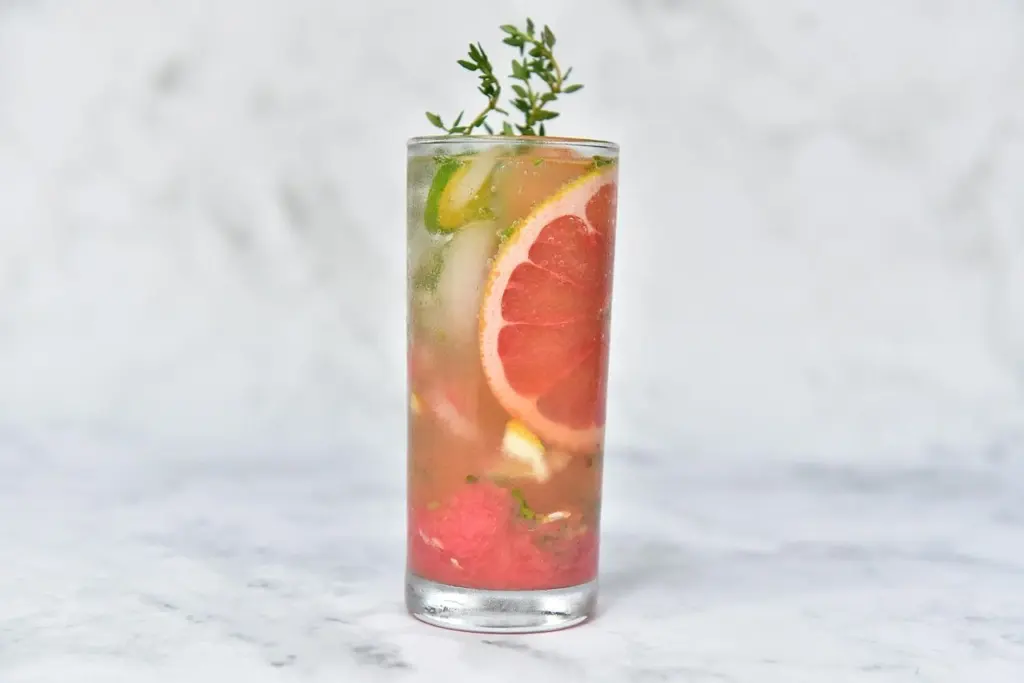
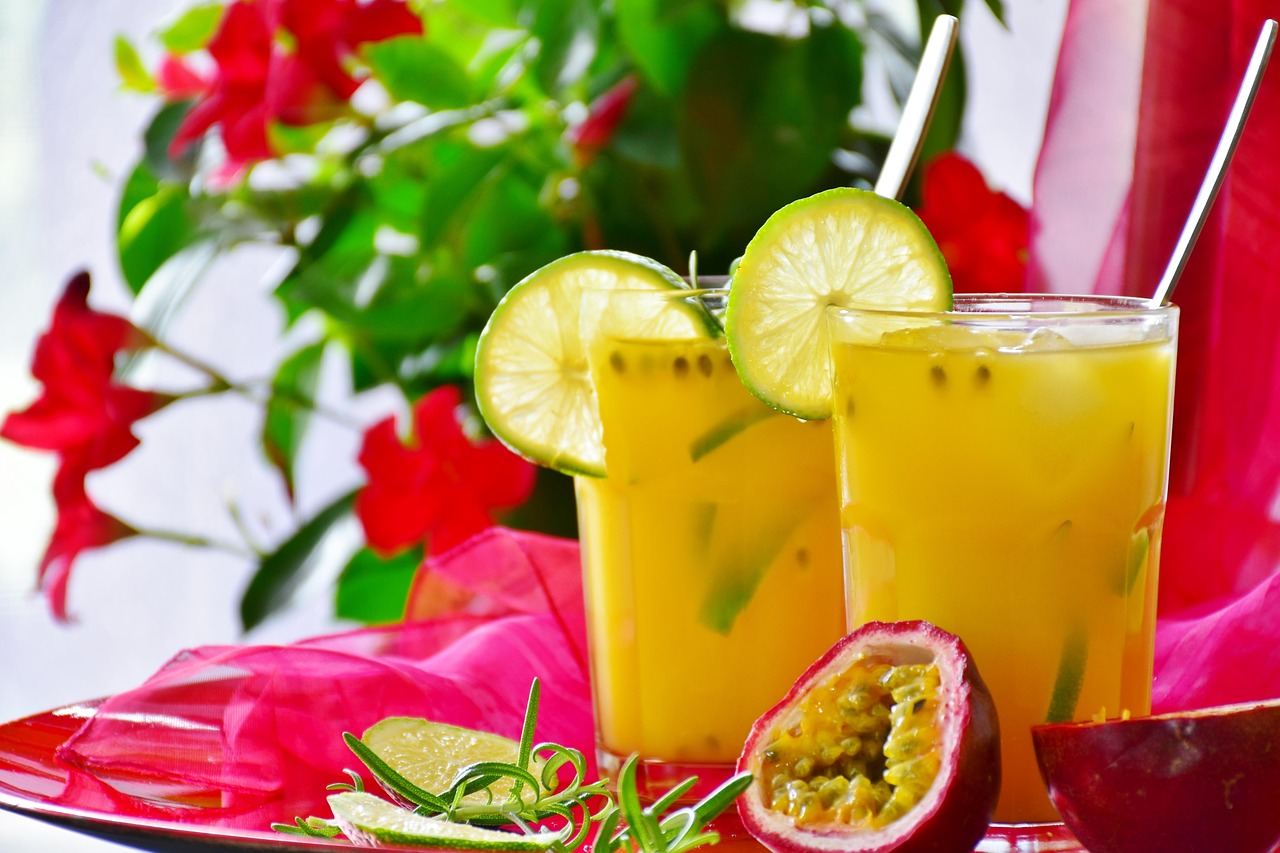
Presentation is part of the recipe. Reiner puts it this way: “We drink with our eyes first, so make sure it looks like a cocktail.” Our guide to cocktail glassware types is a useful place to match the glass to the drink.
Texture matters too. Chicago bartender Julia Momose notes that a spirit-free drink can be delicate, so the garnish should not wilt, the texture should not falter and ice should not over-dilute it. Another bartender in the VinePair roundup, Lola Hushin, uses aquafaba to add a more viscous texture and foam.
Ordering and hosting zero-proof drinks
The VinePair roundup also shows how bartenders think about guests. One bar manager says a great non-alcoholic cocktail is about making people feel comfortable and welcome. When you host, serve one made with the same care as the rest of the menu rather than a plain soda.
When you order one out, our notes on bar tipping etiquette cover the basics. If you are trying something new, ask the bartender what bitter or herbal element the drink uses so you know what to expect.
Frequently asked questions
Can you make non alcoholic cocktails without zero-proof spirits?
Show answer
Yes. Syrups, tea, shrubs, fresh citrus, bitters and soda can carry a drink, and a juice-only mix is the thing to avoid. Cucumber, mint and lime is one combination Reiner calls excellent and not often found outside the cocktail realm.
Do bitters contain alcohol?
Show answer
Traditional bitters do, since their flavors are infused into a spirit with 35% to 45% ABV. Brands have begun making bitters with non-alcoholic solvents like vegetable glycerin. Check the label if you need to avoid alcohol.
How do I stop a mocktail tasting too sweet?
Show answer
Add acidity from fresh citrus, a bitter element such as tonic or bitters, a pinch of salt, or a splash of club soda or tonic water. Reiner and the VinePair bartenders all stress balance over sugar.
What can replace whiskey or gin in a drink?
Show answer
For whiskey, try cherry juice with balsamic vinegar or a strong black tea. For gin, try white tea or chamomile with juniper berries and orange bitters, as suggested by Tasting Table’s experts.