
Not sure which glass a drink belongs in? Cocktail glassware types mostly come down to shape: stemmed glasses for drinks served up, short tumblers for spirits over ice, and tall glasses for fizzy long drinks.
Knowing the glasses also helps you read a menu, whether you are mixing at home or exploring the portland maine cocktail scene.
| Glass or step | Key fact |
|---|---|
| Coupe, capacity to brim | 7 oz / 20 cl |
| Martini glass, largest sensible size | 7 oz / 20 cl |
| Nick & Nora, capacity to brim | 4-6 oz / 17-18 cl |
| Collins, capacity to brim | 12-14 oz / 35-41 cl |
| Double old-fashioned, capacity to brim | 12-16 oz / 35-47 cl |
| Chilling a glass in the freezer | 20 to 30 minutes |
These figures come from Difford’s Guide. Glass sizes vary by maker and by guide, so check the source before you rely on them.
Prepare the glass before you pour
A cocktail takes time and skill to make, so it deserves a clean glass. Difford’s Guide says to check for chips, watermarks and lipstick, and to hold the glass by the base or stem so you leave no finger marks.
Chilling matters most for drinks served “up”, meaning without ice. Put Martini, coupe, Nick & Nora and flute glasses in the freezer and allow 20 to 30 minutes, according to the same guide.
No freezer space? Fill the glass with crushed ice and top it up with water while you mix, then tip it out before you pour. That ice-and-water method is quicker but not nearly as effective.
For a hot drink, put a bar spoon in the glass and fill it with hot water, then discard the water and pour. The spoon stays in until the drink is in, and helps disperse the shock of the heat.
Stemmed glasses for drinks served up
Stemmed glasses keep your hand away from a cold drink. They suit cocktails that are shaken or stirred and strained, with no ice in the glass.
- Coupe: a shallow, rounded bowl that holds about 7 oz to the brim. A popular story ties its shape to Marie Antoinette, but Difford’s Guide says the glass was invented in England in 1663.
- Martini glass: the angular V-shape. Difford’s Guide says it should be no bigger than 7 oz, because a true Martini warms up too much in the time it takes to drink a larger one.
- Nick & Nora: a small, stemmed glass of 4 to 6 oz that dates from the 1930s. It is named after Nick and Nora Charles, a fictional couple created by Dashiell Hammett in his novel The Thin Man.
- Flute: tall and slim, which helps keep carbonation. Cocktail Society points to the French 75 and the Champagne cocktail as its natural drinks.
Difford’s Guide adds that a Nick & Nora can be used for pretty much any drink served in a coupe. That makes it a handy single choice if shelf space is tight.
Short glasses for spirits and ice
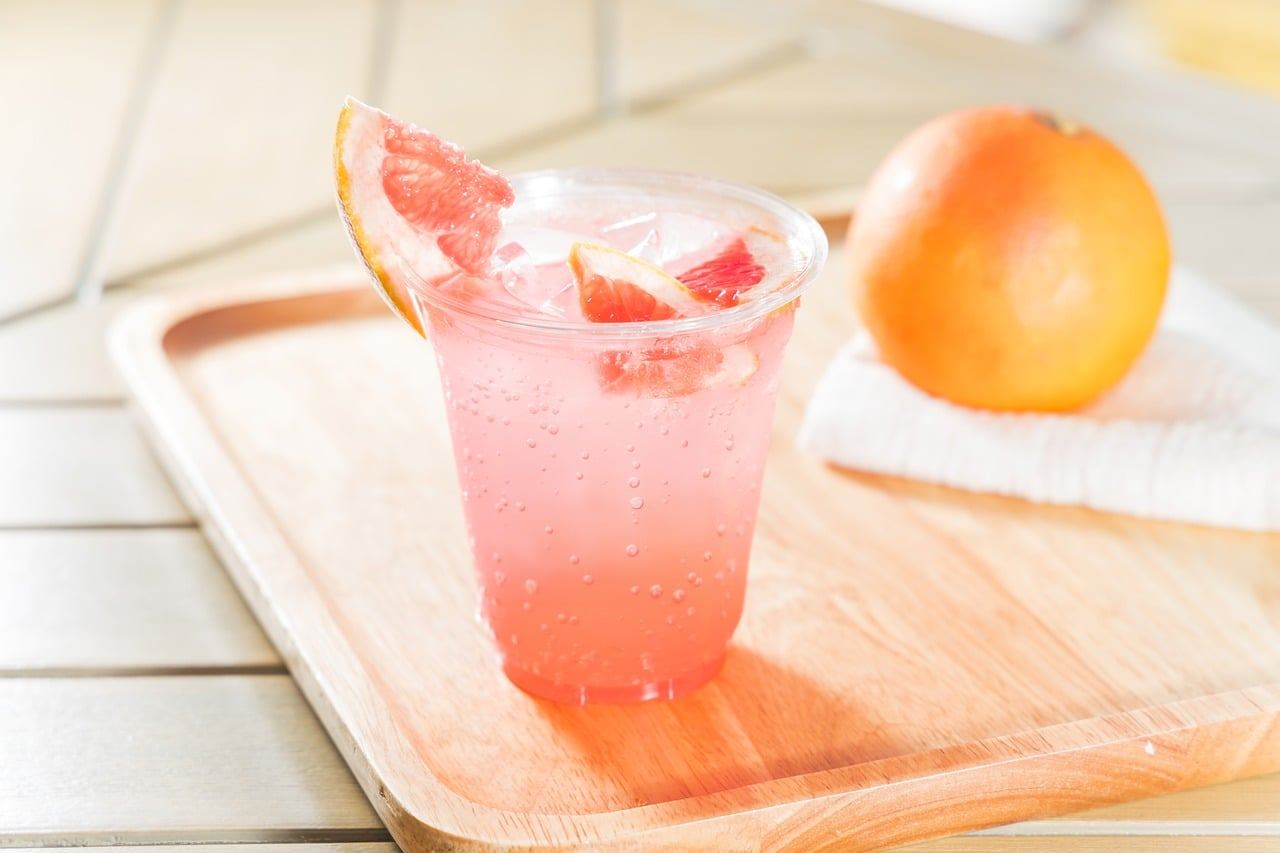
Short, heavy tumblers are built for spirit-led drinks served over ice, and for neat pours of whisky. Sizes overlap and names are used loosely, so look at weight and capacity rather than the label.
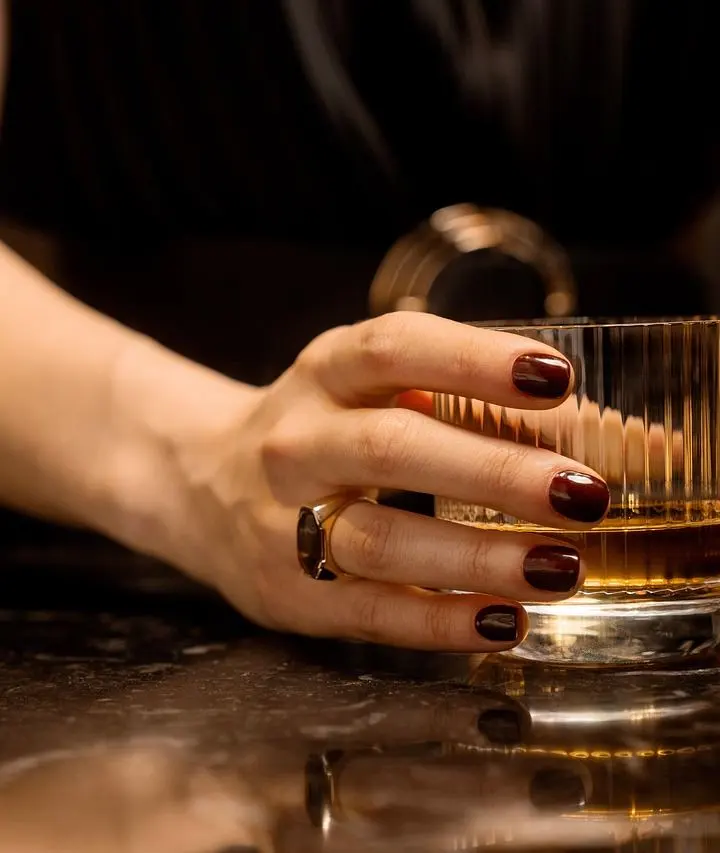
- Old-fashioned: Difford’s Guide lists 11 oz to the brim and advises a thick heavy base with a flat ground rim. Cocktail Society gives a smaller range of 6 to 10 oz, which shows how much makers differ.
- Double old-fashioned: Difford’s Guide calls it an extra-large old-fashioned glass, listed at 12 to 16 oz. It names tiki drinks such as the Mai Tai as the classic use, served with crushed ice.
- Rocks: a tougher version with a thicker rim, often made from toughened glass, listed at 9 to 11 oz by Difford’s Guide. That suits drinks that need muddling in the glass.
For a classic Negroni, Sipsmith’s glassware guide reaches for a rocks glass, and says the term covers any spirit-led drink served on the rocks.
Tall glasses for long drinks
Tall glasses hold ice, a spirit and a generous splash of soda, tonic or juice. The names blur here, so the differences below are worth a moment.
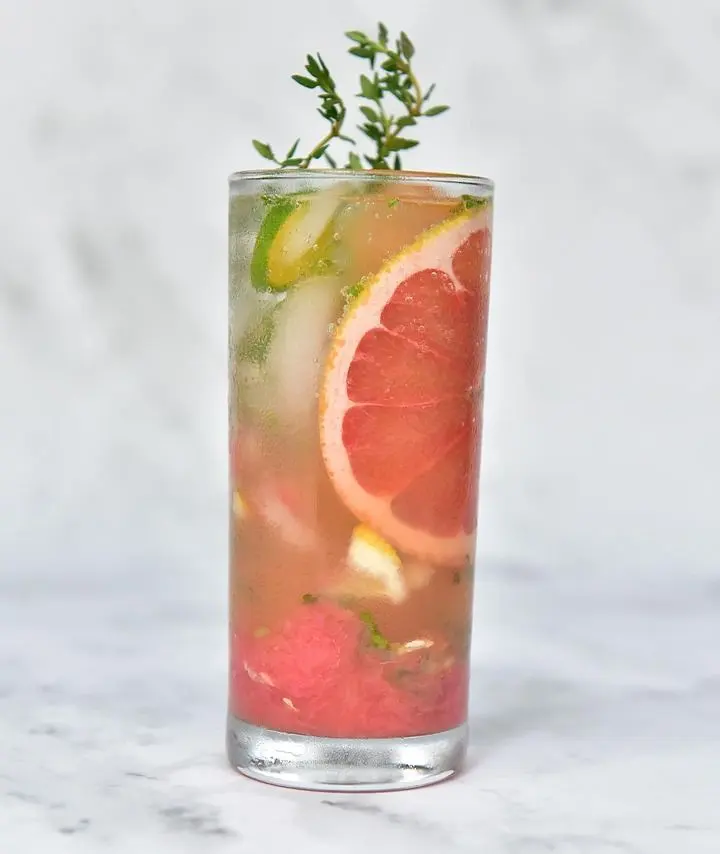
- Collins: a catch-all term for tall, slim, straight-sided glasses. Sipsmith notes that its narrow height helps preserve carbonation.
- Highball: slightly squatter and smaller than a Collins. Sipsmith says that smaller size often means less dilution and a more balanced drink.
- Sling: tall and elegant, named after its cocktail category and most tied to the Singapore Sling.
- Copa (balloon): a wide bowl suited to a Spanish-style gin and tonic, with room for ice and garnish.
- Boston glass: a heavy conical glass. It is used with a Boston tin to form a shaker, and can also serve as a mixing glass for stirred drinks.
If you only want one of the two, Tasting Table says they are practically the same glass. It describes the Collins as a narrower, taller version of the highball.
Specialty vessels worth knowing
Some drinks come with their own container. These are optional for a home bar, but they explain what you may be handed at a bar.
- Julep cup: the best are silver or pewter, but stainless steel versions are more commonplace, according to Difford’s Guide.
- Mule mug: Cocktail Society notes that most Mule mugs sold today are coloured stainless steel instead of copper.
- Margarita glass: the wide rim holds more garnish and makes it easier to salt the rim, says the European Bartender School’s guide to cocktail glass types.
- Hurricane glass: named for its resemblance to a hurricane lamp, per Cocktail Society, and used for tropical drinks.
- Irish coffee glass: thick, heat-resistant glass with a handle, built for hot drinks.
Most of these shapes work just as well for non alcoholic cocktails, so a good glass is not only for spirits.
Which glasses should you buy first?
You do not need dozens. Difford’s Guide says a set of Collins, coupe and old-fashioned or rocks glasses, plus flutes if you like champagne cocktails, will serve the majority of drinks.
- Start with coupes or Nick & Nora glasses for anything served up.
- Add Collins glasses for long, fizzy drinks.
- Add old-fashioned or rocks glasses for spirits over ice.
- Add flutes only if sparkling cocktails are on your list.
If you are unsure what to say once you are at the bar, read about how to order at a cocktail bar.
Frequently asked questions
Should I choose a coupe or a Martini glass?
Show answer
A coupe is the more flexible choice and suits most drinks served up. Keep the Martini glass for Martinis, and keep it to 7 oz / 20 cl or under so the drink stays cold, as Difford’s Guide advises.
What is the difference between a Collins and a highball glass?
Show answer
The Collins is taller and narrower, while the highball is shorter and often heavier, according to Tasting Table. Many bars use them interchangeably, so one of the two is enough at home.
How long should I chill a glass?
Show answer
Allow 20 to 30 minutes in the freezer, per Difford’s Guide. If you are short on time, ice and water works faster but less well.
Why is it called a Nick & Nora glass?
Show answer
The name comes from a sleuthing couple in a classic detective novel. Sipsmith describes the glass as a hybrid of the Martini glass and the coupe.
Can I serve champagne in a coupe?
Show answer
The coupe began life as a champagne saucer, but Sipsmith says it fell out of favour for bubbly because its shape was said to dissipate carbonation too quickly. A flute is the usual choice for sparkling wine.