A cocktail menu full of unfamiliar names can make you freeze. Here’s how to order at a cocktail bar: name a spirit you like, describe the flavors you want, and ask the bartender questions.
You can find the wider local picture in our guide to the portland maine cocktail scene.
| Ordering term | What it means |
|---|---|
| Neat | Served unchilled and without ice |
| Up | Shaken or stirred with ice, then strained |
| On the rocks | Served on ice |
| Shaken by default | Cocktails with citrus, dairy or egg whites |
| Example cocktail price cited by one bar owner | $15 |
The bar terms come from The Daily Meal’s ordering explainer, and the price example comes from Food Republic. Bar conventions and prices can change, so check the sources before you rely on them.
Start with what you like, not what sounds impressive
A popular name doesn’t guarantee a drink you’ll enjoy. Chris Tunstall, a former mixologist, told Mashed that martinis and Negronis are spirit-forward and boozy, and that a Negroni is notably bitter.
A better starting point is your own taste. Spirits professional Jennifer Brian suggests asking yourself which spirit you love and which one you’ve avoided, then sharing that with the bartender. Even saying whether you prefer clear or dark spirits helps.
You have a few easy ways in:
- Pick the spirit you enjoy and scan the menu for drinks built on it.
- Pick a flavor direction, such as tangy, sweet or boozy, and let the bartender suggest something.
- Ask what a drink tastes like, or which familiar cocktail it resembles.
The last one works well. Tunstall recommends asking what other cocktail you might know that it tastes like, so you can judge whether you’d want a whole glass of it.
Name the spirit first, then the brand
The standard format for a simple drink is to name the liquor first: gin and tonic, vodka and soda, rum and Coke. Tasting Table’s bartender panel says the same applies when you modify a classic, so you would ask for a mezcal Negroni to swap the gin, or a bourbon Manhattan to swap the rye.
If you have a favorite brand, say it. Food Republic’s expert advises listing the brand name first, since a plain vodka drink gets whatever vodka the bar pours by default.
That default is usually the well. Well drinks are typically made with the bar’s cheapest alcohol, and bartender Jay Kurtz advises against asking what the well spirit is. He suggests naming a brand or asking more generally what’s available.
Bar terms: neat, up, on the rocks, shaken and stirred
A few shorthand terms keep a noisy bar conversation short. Each one tells the bartender how the drink should be chilled and served.
- Neat: the liquid is served unchilled and without ice. It’s usually a single spirit, and it’s a good way to get to know different spirits.
- Up: the drink is stirred or shaken with ice, then strained. It’s most often served in stemware such as a conical martini glass or a rounded coupe.
- On the rocks: the drink is served on ice. Crushed ice melts fastest, while large cubes or spheres dilute your drink at the slowest rate.
- Shaken: colder and more diluted. Cocktails with citrus, dairy or egg whites are shaken by default.
- Stirred: smoother and silkier, and best for spirit-driven drinks. Many martinis, Negronis and Manhattans are stirred as a rule, so say so if you want one shaken.
Be careful with straight up. The Daily Meal calls it a tricky phrase that shouldn’t be used without further clarification, because it can mean either neat or chilled and strained.
The glass also changes with the order. A tumbler, a coupe and a shot glass each signal something different, and our guide to cocktail glassware types explains why.
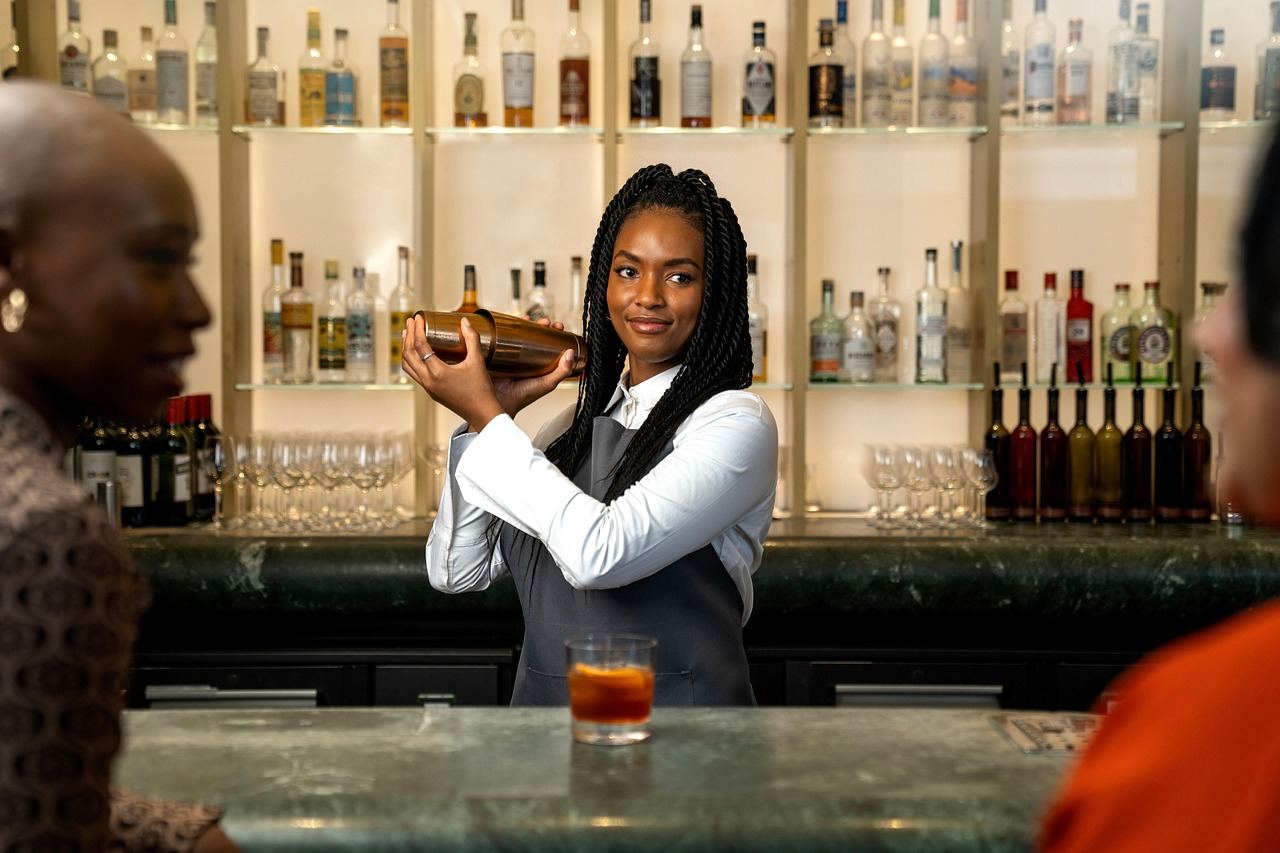
How do you describe a drink you can’t name?
You don’t need the right cocktail name. Chrissy Sheffey says to tell your bartender whether you enjoy something refreshing, citrus-forward, spirit-forward, fruity, smoky, bitter or sweet.
Adjectives do the work for you:
- “Something light and refreshing.”
- “Not too sweet, with the spice of rye whiskey.”
- “Tequila-based, but not too sweet.”
If you can’t say what you want, describe what you don’t like. Bartender Edgar Morales says the more descriptors, the better.
A good bartender will ask a few follow-up questions, and Brian points out that mixologists and bartenders love to talk about their craft and the creations on the menu. Asking is part of the normal routine.
Match the bar and keep changes small
The bar itself is a clue. Chowhound suggests leaning into rum drinks at a tiki bar, and if you see rows and rows of whiskey bottles behind the bar, sticking to the spirit.
Small tweaks are fine. Dale Dcruz says simple adjustments such as less sweet, more tart, no garnish or a different base spirit are fine, but asking a busy bartender to invent a new drink is harder.
Carla Rivera adds that if you change several components of an existing cocktail, you’re essentially creating another drink. It’s also worth reading the menu closely, because the same cocktail can be slightly different between establishments.
If you want to practice before you go out, the dark and stormy recipe is one place to start.
Frequently asked questions
Do I need to know cocktail names to order?
Show answer
No. Chrissy Sheffey says you don’t need to know cocktail names to order confidently. Describe flavors such as citrus-forward, smoky or sweet, and let the bartender suggest a drink.
What’s the difference between neat and on the rocks?
Show answer
Order a spirit neat and it comes as a plain pour, with no chilling and no ice. Order it on the rocks and it arrives over ice, so it chills and dilutes as you sip.
Is it rude to ask the bartender questions?
Show answer
No. Jennifer Brian says mixologists and bartenders love to talk about their craft and the creations on the menu. Keep questions short when the bar is busy.
Should I ask which spirit the bar uses by default?
Show answer
Bartender Jay Kurtz says asking for the well spirit isn’t the best look. Name a brand you like, or ask what’s available at the bar.